

Deciding whether to add solar panels to your home or business is like choosing whether to adopt a dog: it can bring joy, savings, and a sense of responsibility, but there are some practical considerations to keep in mind. Solar energy can be a great way to power your property sustainably and save money in the long run. However, it’s not always a one-size-fits-all solution. Here’s a light-hearted but informative guide on what to think about before taking the solar plunge.
1. The Benefits – Because Who Doesn’t Like Good News?
Solar panels can bring a lot to the table (or roof), and not just in terms of lowering your electricity bill. Here are some key benefits:
- Saving Money on Energy Bills: Let’s start with the obvious: solar panels can cut down your electricity costs. Imagine paying less for your electricity while also making your roof look like it’s wearing a high-tech hat. Solar energy allows you to generate your own power, which means fewer surprises on your utility bill each month.
- Good for the Planet: Solar energy is a renewable, clean source of power, which means it doesn’t emit harmful greenhouse gases. Think of it as your own small contribution to saving the planet—like choosing reusable grocery bags, but on a larger scale.
- Increased Property Value: Many buyers see solar panels as a desirable feature that can increase the value of a home. It’s like having an extra bathroom, except instead of a place to brush your teeth, it’s a power source that cuts down on monthly bills.
- Tax Incentives: Federal and state tax incentives can help offset the initial installation costs. It’s like a little thank-you from Uncle Sam for being eco-friendly. Who doesn’t appreciate a pat on the back and some extra cash?
2. The Drawbacks – Because Life Isn’t All Sunshine (Pun Intended)
While there are many benefits, there are also some factors to be aware of before making the leap to solar:
- Upfront Costs Can Be High: Installing solar panels requires an investment. Even with incentives, it’s not exactly cheap. It’s kind of like buying a designer handbag; you pay a lot upfront, but you hope to get value from it over time. Financing options can help, but it’s still important to make sure it fits within your budget. Many companies, like SunWorx Solar Panels offer affordable financing options that make it a less scary investment.
- It’s Not Always Sunny: Unfortunately, solar panels don’t work as efficiently during cloudy days or at night. If you live in an area where sunshine is a rare event, your panels may not produce as much energy as you’d like. Think of it as a solar-powered mood ring; sometimes it’s bright and cheery, and other times…not so much.
- Maintenance Considerations: Solar panels are relatively low-maintenance, but they do need a little TLC from time to time. Dirt, debris, or bird droppings (those pesky pigeons) can block sunlight and reduce efficiency. If you’re not a fan of rooftop cleaning, you might have to hire someone to do it.
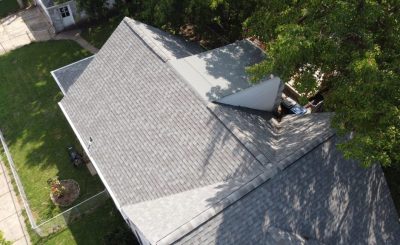
- Roof Compatibility: If your roof is older or shaded by trees, solar may not be the best option. In some cases, structural changes or tree trimming could be necessary, adding to the initial costs.
3. Questions to Ask Before You Commit – Like Picking Out the Perfect Pair of Sunglasses
- Is My Roof Suitable for Solar Panels? The angle, size, and condition of your roof matter. South-facing roofs usually work best, but other orientations can also work depending on the slope.
- How Much Energy Do I Use? Your current energy consumption will help determine the number and size of panels you need. It’s like choosing the right-sized coffee cup; too small, and you’re refilling constantly; too big, and you’re wasting money.
- Am I Planning to Stay Here Long-Term? Solar panels are a long-term investment. If you’re planning to move in a few years, you might not get the full financial benefit. However, it can still be a selling point when you list the property.
4. Bottom Line: Is Solar Right for You?
Adding solar panels to your home or business can be a fantastic way to reduce your carbon footprint and energy bills, but it’s essential to weigh the pros and cons. Consider the upfront costs, your roof’s suitability, and how much sunlight your property gets before making a decision. If the stars (or rather, the sun) align, you could be basking in the glow of energy savings for years to come!